Pink and Lavender Butterfly Embroidery Design Review
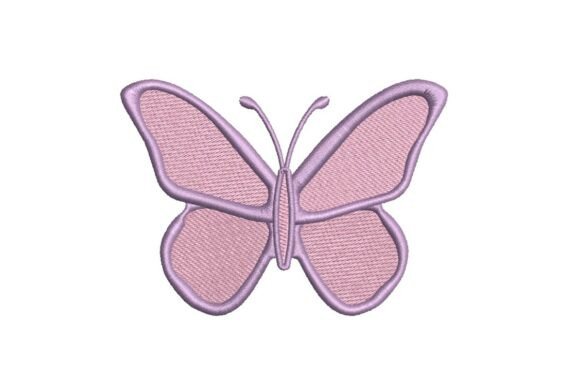
As I set up my booth for the upcoming weekend craft fair, I am sorting through a stack of machine embroidery design files to decide what will actually move off the table. In this business, it is not just about having a pretty picture; it is about understanding how a digital file translates into a tactile handmade product that stops a customer in their tracks. Today, I am reviewing the Pink and Lavender Butterfly Embroidery Design. This specific embroidery file features a stylized butterfly on a clean white background, with wings filled with a soft pink stitch that adds a textured effect. The outline defines the shape clearly, promising a look that balances delicacy with structure. Let us break down exactly how this design performs in the real world of selling at markets, Etsy shops, and boutique displays.
First Impressions: Soft Elegance Meets Market Appeal
When I first loaded the preview of the Pink and Lavender Butterfly Embroidery Design, my immediate reaction was one of gentle sophistication. It does not scream "loud" or "rustic farmhouse." Instead, it whispers "premium handmade." The combination of pink and lavender creates a palette that is universally appealing, particularly for gift buyers looking for something feminine yet modern. For an Etsy seller or a creative entrepreneur, this design fits perfectly into categories like spring collections, bridal showers, or general home decor.
The description notes that the wings are filled with a soft pink stitch adding a textured effect. In person, texture is everything. A flat print looks cheap next to raised thread. This design leverages that texture to create depth, making the finished product feel expensive without requiring expensive materials. It feels less like a cartoon bug and more like a piece of art, which elevates the perceived value of any craft fair product it adorns.
Product Placement: Where Does This Design Shine?
Not every design works on every item. As I plan my inventory, I need to know where the Pink and Lavender Butterfly Embroidery Design will command the most attention. Based on its visual weight and color scheme, here is how I plan to utilize it across different product lines:
- Tote Bag Design: This is a top contender. Placing the butterfly on a natural canvas tote bag allows the soft pink and lavender to pop against the neutral beige. It transforms a utility item into a fashion accessory. The size of the design suggests it should be centered or placed near the bottom corner for a balanced look.
- Tea Towel Embroidery: Kitchen linens are a staple for market sales. The clean white background mentioned in the design description pairs perfectly with white cotton tea towels. The textured stitching will stand out beautifully against the woven fabric, creating a high-end kitchen aesthetic.
- Apron Embroidery: For the baker or gardener in your audience, an apron with this butterfly motif is charming. However, I would place it on the chest pocket area rather than the bib to ensure it remains visible but not overwhelming.
- Embroidered Patch: If you prefer selling accessories, turning this into a patch is viable. The clear outline ensures it holds its shape when backed with felt or interfacing. These patches can be sold individually or attached to denim jackets and caps.
- Fabric Pouches and Pillow Covers: Small cosmetic pouches and decorative pillow covers benefit from the "focal point" nature of this design. Since the butterfly is stylized, it acts as a singular statement piece, perfect for small surfaces.
Production Realities: Stitch Density and Fabric Texture
While the design looks beautiful on screen, the transition from a digital embroidery file to a physical object requires careful technical management. One of the critical factors here is stitch density. The description highlights a "textured effect" in the wings. If the density is too high, the fabric may pucker, especially on lightweight items like tea towels or thin tote bags. Conversely, if it is too low, the color coverage might be spotty.
I always advise testing the design on scrap fabric before committing to a batch production run. Check how the stabilizer interacts with the thread colors. For the Pink and Lavender Butterfly Embroidery Design, using a tear-away stabilizer on terry cloth (towels) might be risky due to the loops in the fabric. A cut-away stabilizer often provides better support for dense areas, ensuring the texture remains crisp.
Furthermore, consider the hoop size. If the design is large, you cannot simply shrink it for a small cap or keychain. Reducing the size of intricate designs often leads to lost details and tangled threads. The stylized nature of this butterfly helps, but you must verify that the outline remains distinct at smaller scales. If you are making caps, remember that the curved surface distorts the image. Test the placement on a mockup cap to ensure the wings do not get squashed by the seam.
Selling Strategy: Visual Appeal and Customer Engagement
In a crowded craft fair booth, visibility is currency. The Pink and Lavender Butterfly Embroidery Design has a distinct advantage because it photographs exceptionally well. When creating printable mockups for your online store or social media, the contrast between the soft pastel threads and the white background creates a clean, professional image. Customers scrolling through Instagram or Etsy will stop for that clarity.
This design also aids in brand consistency. If your shop focuses on soft, elegant, or floral themes, this Bugs category design fits seamlessly without feeling out of place. It bridges the gap between nature-inspired motifs and modern minimalism. When customers pick up a tote bag or towel featuring this design, they are touching quality. They see the raised stitches and understand the time and effort involved, which justifies a higher price point for your commercial embroidery products.
However, be mindful of the lighting in your booth. Pastel threads can sometimes appear washed out under harsh fluorescent lights. Ensure your display uses warm lighting or natural light to bring out the true vibrancy of the pink and lavender hues. A well-lit display turns a good design into a great selling tool.
Practical Designer Notes for Success
To maximize the potential of the Pink and Lavender Butterfly Embroidery Design, follow these practical steps before your next market:
- Test on Scrap Fabric: Never skip this. Run a test on the exact material you intend to sell to check for puckering and thread tension.
- Check Thread Contrast: While the design is meant for white backgrounds, experiment with cream or light grey fabrics to see if the contrast improves the visual impact.
- Confirm Licensing: Always verify your design assets license. Ensure you have the right to sell finished products commercially, whether at a craft fair or on Etsy.
- Create Real Mockups: Do not rely solely on digital previews. Sew one sample of each product type (tote, towel, patch) to show customers the actual texture and finish.
- Inspect Stitch Density: If the wings look too heavy, adjust the settings or use a lighter weight thread to maintain the delicate feel intended by the designer.
Ultimately, the Pink and Lavender Butterfly Embroidery Design is a versatile asset for any small shop product line. It offers a balance of artistic flair and commercial viability. By paying attention to fabric choice, stabilizer usage, and display presentation, you can turn this single embroidery file into a bestseller that enhances your entire booth's aesthetic. Whether you are a seasoned pro or just starting your journey as a maker, choosing designs that translate well from screen to stitch is the key to building a sustainable, profitable handmade business.