Winter Mouse Embroidery Files Review
As a designer who has spent years navigating the delicate balance between digital art and physical thread, I approach every new machine embroidery design with a critical eye. The market is flooded with generic patterns, but finding a truly usable asset for a craft business or personal project requires digging deeper than just the thumbnail image. Today, I am putting the Winter Mouse Embroidery Files through a rigorous mental test to see if it holds up under the pressure of real-world production. This isn't just about whether the mouse looks cute; it is about how this specific embroidery file translates into a tangible, high-quality finished product that customers will actually want to buy.
First Impressions: Mood and Visual Personality
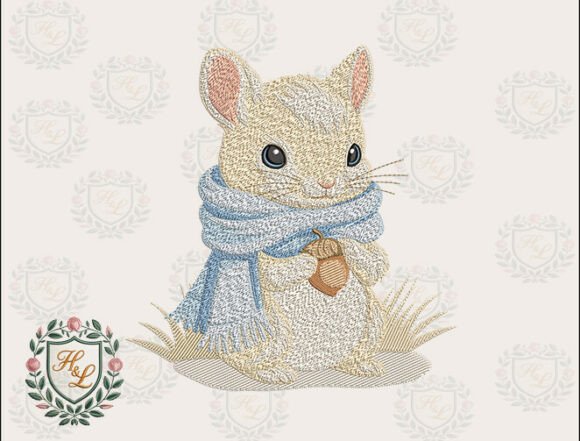
When I first loaded the preview of the Winter Mouse Embroidery Files, the immediate vibe was one of cozy nostalgia. It captures that quintessential holiday feeling without being overly cluttered. The shape of the mouse is rounded and soft, which suggests it will stitch beautifully on curved surfaces like caps or the chest of a sweatshirt. The theme leans heavily into the festive season, making it an obvious candidate for Christmas collections, but the clean lines mean it could easily work as a standalone winter motif outside of the holidays.
What stands out most is the layout. It feels balanced, avoiding the trap of being too wide or too tall, which is a common issue with poorly designed assets. For a small shop owner looking to create a cohesive line of handmade products, this visual personality is crucial. It screams "giftability." Whether you are planning a personalized gift for a friend or scaling up for a boutique inventory, the design has the kind of charm that stops a customer scrolling through an Etsy listing.
Real-World Application: From File to Fabric
Let's move beyond the screen and imagine a real scenario. Picture yourself preparing a custom embroidered tote bag for a local craft fair. You have chosen a sturdy canvas material, and you need a design that pops. The Winter Mouse Embroidery Files description mentions it is perfect for shirts, tote bags, and pillows, and my experience tells me this is accurate. The design appears to utilize a mix of fill stitch for the body and potentially satin stitch for the finer details like the eyes or scarf accents.
In a practical setting, such as creating custom apparel like a fleece sweatshirt, the density of the stitches becomes the deciding factor. If the stitch density is too high, the fabric can pucker, ruining the professional look of the garment. Conversely, if it is too sparse, the design might look flimsy after a few washes. Based on the visual weight of the mouse, I would expect this to perform well on medium-weight fabrics. It seems ideal for baby embroidery projects, perhaps on a onesie or a blanket, where softness is key. The rounded nature of the mouse fits the aesthetic of nursery decor perfectly, offering a gentle touch that parents appreciate.
For those running a craft business, versatility is money. Can this same file be used for an embroidered patch? Absolutely. The defined edges suggest it would cut cleanly from stabilizer, allowing you to sell patches separately or sew them onto denim jackets and aprons. This flexibility allows a single purchase of the digital embroidery file to generate multiple revenue streams, from holiday embroidery kits to ready-to-wear items.
Strategic Placement on Products
- Tote Bags: Center placement works best here, allowing the design to serve as the focal point of a simple, unbranded bag.
- Sweatshirts: A left-chest placement offers a subtle branding opportunity for your shop, while a back print makes a bold statement.
- Pillows and Home Decor: The design scales well for larger hoop sizes, making it suitable for decorative throw pillows that add a seasonal touch to a living room.
- Tea Towels: Iron-on application on kitchen linens creates a charming, functional personalized gift.
Navigating Challenges: Where Caution is Needed
Even the best designs have limitations, and as a professional, I must warn you where the Winter Mouse Embroidery Files might struggle. While the design is robust, it is not immune to the physics of thread and fabric. If you attempt to use this on very thin or stretchy fabric, such as a lightweight jersey t-shirt, you risk distortion. The tension required for the fill areas could pull the fabric, causing the mouse to look warped rather than cute.
Dark fabrics present another challenge. Unless the design includes a built-in underlay or you plan to use a tonal thread strategy, stitching light colors directly onto black or navy material can result in poor visibility. You might find yourself needing to add a layer of backing or a white under-stitch to ensure the thread colors pop. Additionally, if you are working with textured fabrics like heavy corduroy or thick wool, the needle might skip, or the running stitch details could get lost in the weave.
Small hoop sizes are also a consideration. If you are trying to fit this entire design into a 4x4 inch hoop, you may lose some of the finer details mentioned in the description. Always check the dimensions before committing. If the design relies on tiny lettering or intricate facial features, shrinking it down too much will result in a muddy mess rather than a crisp image. Similarly, curved surfaces like the top of a cap require careful hooping and the right stabilizer to prevent the design from shifting during the run.
Professional Notes for Designers and Sellers
Before you integrate the Winter Mouse Embroidery Files into your workflow, there are a few non-negotiable steps to ensure success. First, always test the design on scrap fabric that matches your final product. This allows you to adjust the tension and verify the hoop size requirements. Second, review the color palette. Does it align with your brand? If you are selling these as part of a curated collection, consistency in thread colors matters.
For Etsy sellers and small shop owners, consider creating printable mockups to showcase the design before you even stitch it. This helps manage customer expectations and drives engagement. However, remember to confirm the licensing terms. Are you allowed to sell the finished items? Can you sell the digital file itself? Understanding the boundaries of the license protects your business from legal issues.
Finally, think about the end-user. Will they wash the item frequently? If so, ensure your stitching is dense enough to withstand agitation but not so tight that it damages the fabric over time. The goal is to create a finished product that lasts. By treating the Winter Mouse Embroidery Files with respect and applying proper technique, you can transform a simple digital asset into a beloved piece of commercial embroidery that brings joy to your customers this holiday season.