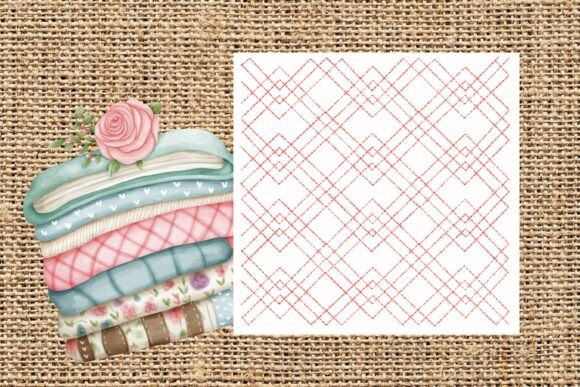
Interlocking Embroidery Design 3-6 Sizes Review
As a professional embroidery designer who has spent years digitizing patterns and stitching custom orders for small business owners, I approach every new machine embroidery design with a critical eye. When I discovered the Interlocking Embroidery Design 3-6 Sizes on Creative Fabrica, I was immediately drawn to its potential for background work. The description notes that this is part three of an interlocking series, specifically created to look stunning on quilts. However, my goal was to determine if this embroidery file could translate effectively beyond quilting into commercial products like tote bags, aprons, and nursery decor.
First Impressions: Visual Mood and Stitching Personality
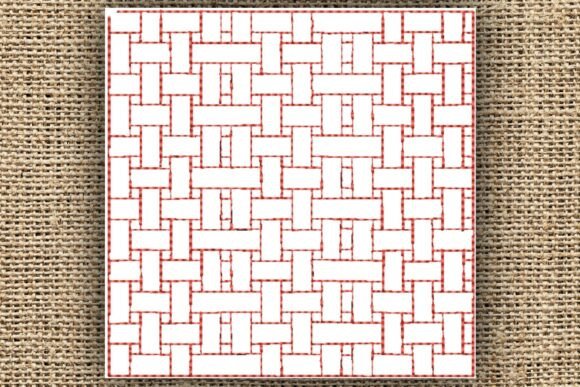
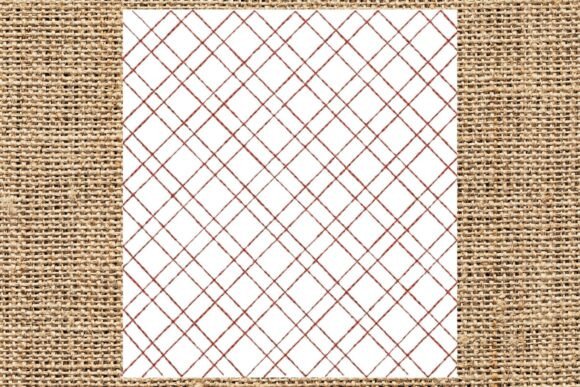
The first thing that stands out about the Interlocking Embroidery Design 3-6 Sizes is its classification as a redwork design. For those unfamiliar, redwork implies a single-color running stitch pattern without complex fills or trims. This is a significant advantage for efficiency. In my experience, designs that stitch cleanly without requiring extensive trimming save hours of labor when fulfilling bulk orders for Etsy shops or craft fair vendors. The visual mood is classic and timeless, offering a delicate yet structured aesthetic that complements rather than overwhelms the fabric.
Upon reviewing the digitization quality, it is evident that the creator took care to ensure smooth lines. The interlocking nature of the pattern creates a seamless flow, which is essential for Backgrounds in embroidery. Unlike dense fill stitch patterns that can pucker thin fabrics, this design relies on a consistent running stitch. This makes it incredibly versatile for projects where fabric drape and softness are paramount, such as baby blankets or lightweight linen napkins.
Performance in Real-World Commercial Projects
When considering the Interlocking Embroidery Design 3-6 Sizes for real project use, I evaluated how it performs across various substrates. For custom apparel, particularly sweatshirts and tote bags, the design offers a sophisticated alternative to heavy logos. Because it lacks dense fill areas, it sits flat against the fabric, reducing the risk of cracking or stiffness after washing. This is a crucial factor for maintaining customer trust and ensuring the longevity of the finished product.
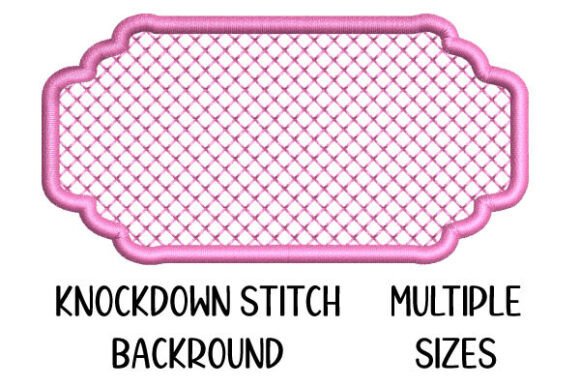
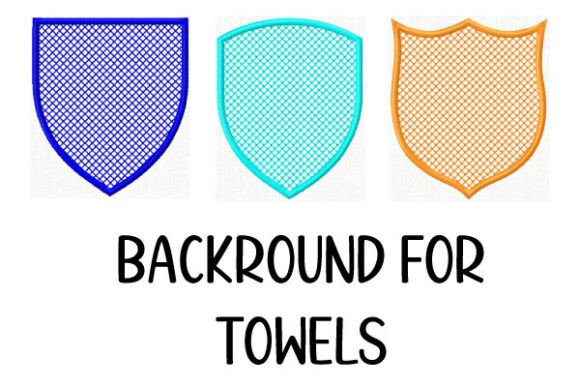
I envision using this Creative Fabrica embroidery asset on kitchen towels and aprons. The redwork style pairs beautifully with natural cotton fibers, adding a touch of artisanal charm without looking overly manufactured. For nursery decor, the gentle curves of the interlocking pattern create a soothing visual rhythm perfect for pillow covers or wall hangings. The design also works exceptionally well as a border for an embroidered patch, framing a central motif without competing for attention.
For digital product sellers creating printable mockup assets, this design provides a high-value texture. It allows designers to showcase their brand consistency through detailed, realistic previews of what the actual stitching will look like. Whether you are selling the physical item or the digital file itself, the clarity of the stitch density ensures that your presentation remains professional and appealing.
Practical Considerations for Hoop Size and Fabric Choice
One of the most compelling features listed is the availability of six different sizes. This scalability is vital for commercial embroidery where hoop constraints often dictate design placement. However, as always, I recommend testing the smallest size on scrap fabric before committing to a final order. While the design is described as clean, extremely small scales can sometimes reveal gaps in the running stitch if the thread tension is not perfectly calibrated.
Regarding fabric choice, this design excels on textured materials where a dense satin stitch might struggle to lay flat. It is less suitable for highly stretchy knits unless a strong stabilizer is used, as the open nature of the running stitch requires a stable base to maintain its shape. For dark fabrics, the traditional redwork concept suggests using a contrasting thread color, but modern interpretations allow for white-on-black or tonal stitching. Always check the contrast between your thread colors and the fabric to ensure the intricate details remain visible.
If you plan to use this on curved surfaces like caps, be mindful of the hoop size. The interlocking elements may distort slightly on a rounded surface if the design is too large. Testing on a cap form is advisable to confirm that the geometry holds up under the curve. Additionally, for items that require frequent washing, such as kitchen towels, the lack of dense stitching means there is less stress on the fabric fibers, making this design a durable choice for everyday items.
Enhancing Product Value and Brand Presentation
Incorporating the Interlocking Embroidery Design 3-6 Sizes into your product line can significantly elevate the perceived value of your handmade goods. In a market saturated with mass-produced items, the presence of a hand-stitched, intricately digitized background signals quality and attention to detail. This enhances the handmade presentation and justifies a higher price point for boutique merchandise.
From a marketing perspective, the unique nature of this digital embroidery file helps differentiate your brand. Customers searching for personalized gift ideas are often looking for something that feels bespoke. Using this design as a subtle backdrop for names or dates adds a layer of customization that feels thoughtful and curated. Furthermore, the clean lines photograph beautifully, aiding in customer engagement on social media platforms where visual appeal drives sales.
Final Thoughts and Licensing Reminders
Before integrating the Interlocking Embroidery Design 3-6 Sizes into your workflow, take a moment to review the specific licensing terms on the Creative Fabrica product page. As a responsible business owner, it is imperative to confirm whether the license covers commercial embroidery for resale, especially if you plan to sell finished goods like tote bags or clothing. Understanding these boundaries protects your business and respects the digital artist's work.
To get the best results, I strongly advise conducting a test run on a piece of similar fabric intended for your final project. Check the hoop size compatibility, verify the stitch density looks balanced, and inspect the small details after stitching to ensure no threads need manual adjustment. By taking these precautions, you ensure that the Interlocking Embroidery Design 3-6 Sizes delivers the professional finish your customers expect.
Ultimately, this embroidery asset is a valuable addition to any designer's library. Its versatility, combined with the efficiency of a redwork style, makes it a practical choice for everything from seasonal handmade gifts to year-round boutique inventory. Whether you are a seasoned pro or a creative entrepreneur just starting out, this design offers a reliable way to add elegance and texture to your creations.