Knockdown Stitch for Towel Embroidery Review
As I set up my craft fair booth this weekend, the difference between a product that gathers dust and one that sells out in an hour often comes down to texture. When customers walk past rows of handmade goods, they are looking for quality they can feel. This is where Knockdown Stitch for Towel Embroidery becomes a game-changer for any serious maker. Having spent years designing and selling at local markets, I know that fluffier fabrics like terry cloth can swallow delicate details. This specific design asset solves that problem instantly by creating a smooth canvas right on the fabric surface.
First Impressions: A Premium Look for Handmade Goods
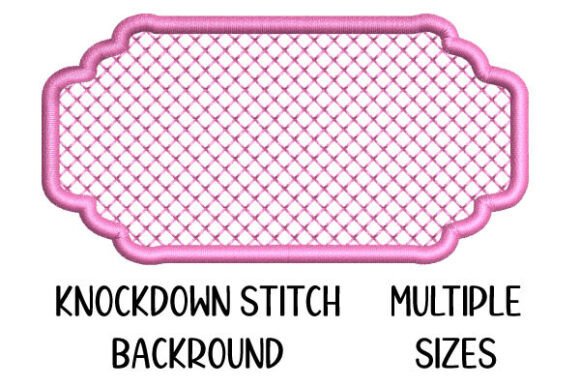
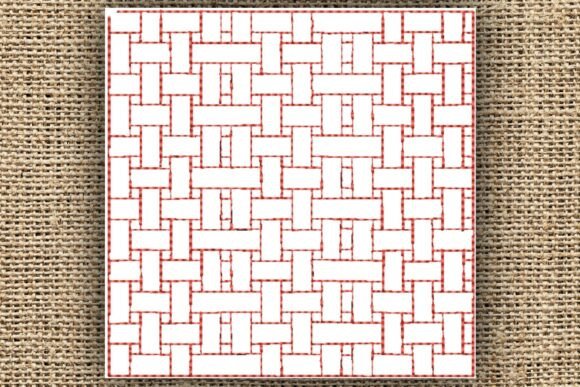
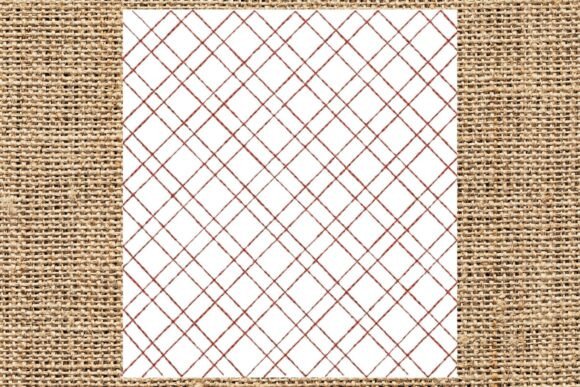
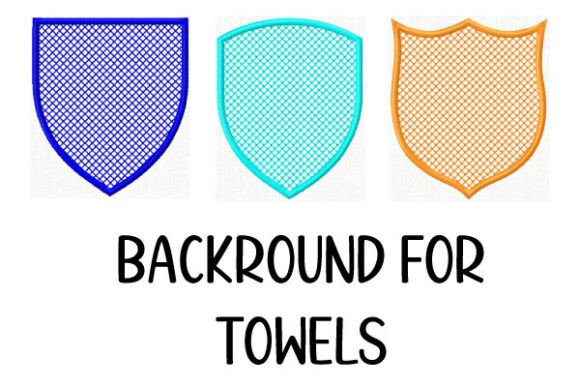
The first thing that strikes me about Knockdown Stitch for Towel Embroidery is its versatility and clean aesthetic. It does not scream "busy" or "over-decorated." Instead, it feels modern, functional, and slightly rustic, which fits perfectly with the current farmhouse and cottage-core trends dominating the handmade market. The trio of shapes included—a circle, an oval, and a rectangle—offers a professional foundation for text, motifs, or appliqués. Unlike standard fill stitches that sit loosely on top of loops, this technique compresses the fibers, ensuring your main design stands out with crisp clarity. For an Etsy seller or boutique owner, this translates immediately to a higher perceived value. When a customer picks up a tea towel with a flat, defined logo area, it signals craftsmanship rather than a quick, sloppy machine run.
Performance Across Your Product Lineup
In my booth preparation, I am testing this design across several key items to see where it shines brightest. On tea towel embroidery, the results are exceptional. The knockdown effect prevents the embroidery from blending into the terry loops, making monograms or kitchen quotes pop against the white or pastel background. I am also applying this to apron embroidery. Aprons are high-visibility items at a market; when a potential buyer sees a clear, flat patch of design on a sturdy cotton apron, it draws the eye immediately.
For tote bag design projects, especially those made from thicker canvas or textured blends, this machine embroidery design provides a necessary anchor. Without it, text can look fuzzy. With the knockdown background, the lettering remains sharp. I am even experimenting with this on embroidered patches intended for denim jackets and caps. While caps have curved surfaces that can be tricky, the oval shape in this trio adapts well to the front panel, provided you adjust the hoop tension correctly. For smaller items like fabric pouches or pillow covers, the rectangular option works beautifully as a label or a central focal point, giving a consistent brand look to your entire collection.
Selling Points: Why Customers Will Notice
When preparing my craft fair product display, visual hierarchy is everything. Knockdown Stitch for Towel Embroidery acts as a spotlight. In a sea of colorful, chaotic patterns, a clean, framed area invites the customer to read your message or admire your motif. This design elevates a simple handmade product into a premium gift item. It photographs exceptionally well for online listings, too. When creating a printable mockup or taking photos for your shop, the contrast between the flattened background and the raised foreground stitch creates depth that looks stunning on screens. This visual appeal directly impacts buyer engagement, encouraging them to stop scrolling or stop walking to inspect the detail.
From a production standpoint, this digital embroidery file is highly repeatable. Once you dial in the stabilizer and thread tension, you can batch produce these items efficiently. Consistency is key for small shop owners who need to restock quickly without sacrificing quality. The ability to use this same background style across different products helps build brand consistency, making your booth or online store instantly recognizable.
Practical Considerations for Production
While this design is powerful, it requires attention to detail to execute perfectly. Here are my critical notes for fellow makers:
- Fabric Texture Matters: This design is specifically engineered for fluffy textures. Do not use it on smooth satin or silk, as the aggressive stitching might pucker the fabric unnecessarily. It is best suited for terry cloth, thick cotton, fleece, and felt.
- Stitch Density and Stabilizer: Because the goal is to flatten the fabric, the stitch density is higher than a standard outline. You must use a strong cut-away or heavy tear-away stabilizer underneath. If you skip this step, the fabric may pucker around the edges, ruining the smooth finish you are trying to achieve.
- Thread Contrast: To maximize the effect, ensure your thread colors for the knockdown layer match the fabric or are very subtle. The focus should remain on the top layer of text or motifs. High contrast here can make the background look like part of the art rather than a foundation.
- Hoop Size and Placement: Always check the required hoop size before starting. Ensure you have enough room to hoop the item securely without distorting the fabric grain. For curved surfaces like caps, test the oval shape carefully to avoid distortion.
- Small Details Warning: Avoid placing tiny lettering or intricate line work inside the knockdown area if the total design size is small. The compression of the fabric can sometimes obscure minute details. Keep text bold and legible.
Designer Checklist Before You Sell
Before listing these items as a finished product, I recommend running through this quick checklist to ensure success:
- Test on Scrap Fabric: Never skip the test run. Stitch the design on a scrap piece of the exact fabric you plan to sell. Check for puckering, skipped stitches, or excessive thread consumption.
- Create a Real Mockup: Take a photo of the actual stitched item in natural light. This will give you confidence in how the commercial embroidery looks to the end consumer.
- Review Licensing: Confirm that your license for this embroidery file allows for the sale of finished goods. Most digital sellers offer commercial licenses, but always double-check the terms to protect your business.
- Inspect Spacing: Ensure there is adequate spacing between the knockdown background and the edge of your fabric to prevent fraying or tearing during washing.
In conclusion, Knockdown Stitch for Towel Embroidery is an essential tool for any creative entrepreneur looking to elevate their textile offerings. It bridges the gap between a rough, textured material and a polished, professional finish. Whether you are stocking shelves for a busy weekend market or curating a new collection for your online boutique, this design ensures your work gets the attention it deserves. By focusing on texture management and visual clarity, you transform simple fabric into a standout design asset that customers will want to take home.